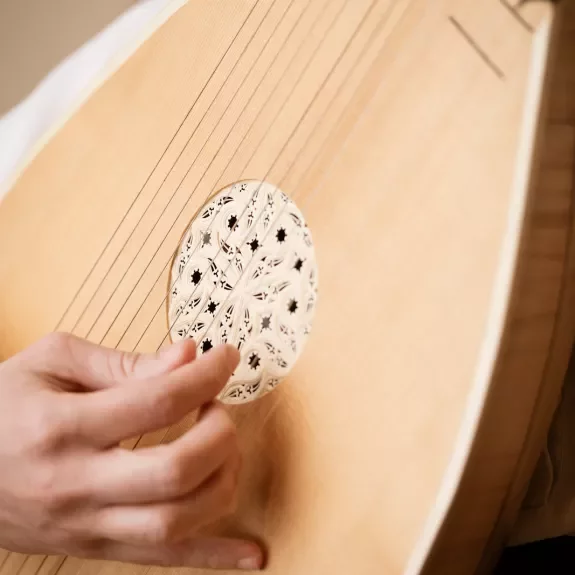
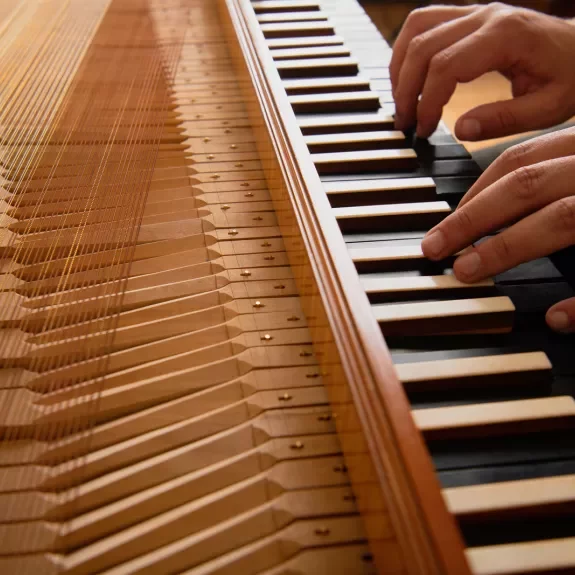
As a place of training and research dedicated to vocal and instrumental music spanning a wide range of styles up to the dawn of Romanticism, the early music department at the Haute école de musique de Genève (HEM) offers highly specialised courses for singers and musicians on historical instruments.
The department focuses on historically informed performance, based on the results of research. It also offers initiation courses and complete courses for students from the HEM’s orchestral instruments department and the keyboard instruments department.
Today’s graduates in Early Music must not only be excellent performers, but also researchers, creative entrepreneurs and leaders. Within the department, we strive to prepare our students to meet these professional needs by focusing on three interdependent axes, that we consider to be the foundations of our studies programmes: teaching, research, and pathways into the profession.
High-level teaching
In order to be competitive in the very competitive market for early music, graduates must reach the highest possible levels of technical mastery of their instruments. The weekly individual classes with the main subject professor constitute the core of each student’s study plan. Our professorial faculty is made up of world-renowned performers and pedagogues. Regular Masterclasses given by prestigious figures and first-rate guest professors, active in the historical music movement today, supplement and enrich this key aspect of the students’ learning.
A thoughtful approach
Research and development into a thoughtful approach are essential elements of the study of early music. They enrich performance, reinforce the unique character of the student’s profile and help them to find their artistic voice. Within the framework of the department, the students are constantly encouraged to ask questions, inform themselves and debate various issues. The department regularly organises special seminars, inviting eminent experts and researchers from all over the world to speak to our students on musical, technical and sociocultural subjects. This enables them to familiarize themselves with the most recent research and thought on a whole series of subjects linked to the early music, and to contextualize the repertoire that they play in their artistic frame of reference. Our students are also encouraged to take part in a diverse range of research projects led by the department’s professors.
A professional springboard
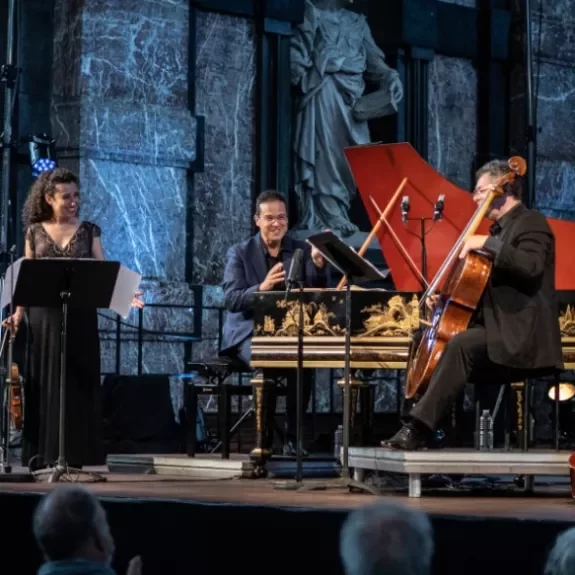
Higher studies in early music must not only enable the students to develop technical expertise and critical thinking; they must also serve as a gateway to the profession. In order to immerse our students right from the very first day in the professional world and enable them to build a professional network, our projects are led by prestigious conductors, which can lead to ‘side-by-side’ collaborations with renowned Swiss ensembles. The creative entrepreneurship classes are an essential component of our students’ studies plan; they also benefit from the vast professional networks and profile of the department’s tutors, and are regularly asked to perform at historical music festivals in the local area and elsewhere in Europe.
Early music ensembles
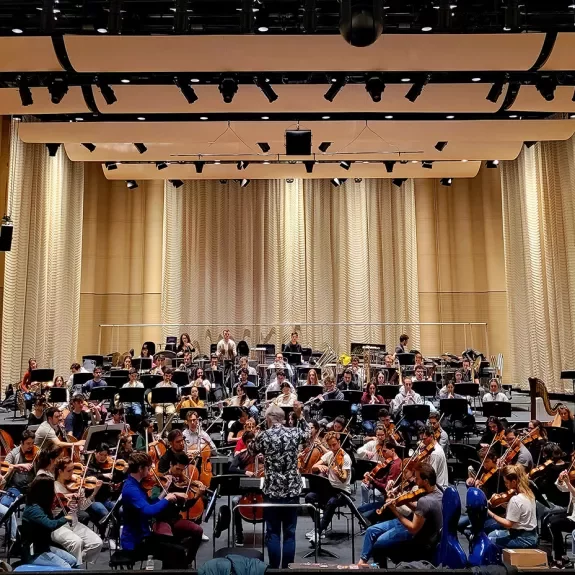
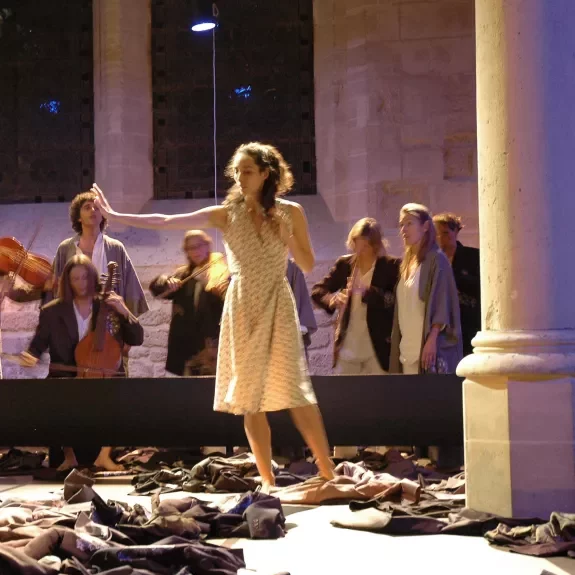
The department puts on numerous concerts with ensembles in various formations and prestigious conductors, often working side-by-side with renowned Swiss and international ensembles: from Gregorian chant to the consort music of the Renaissance, from a recreation of an unpublished 17th century opera to classical symphonic music played with instruments from that era, via the music of the 19th century.
The department’s recent projects have featured the following formations: baroque orchestra and vocal ensemble, Gregorian ensemble, classical and Romantic symphony orchestra, Renaissance-era vocal and instrumental consort, string orchestra and large Renaissance ensemble.
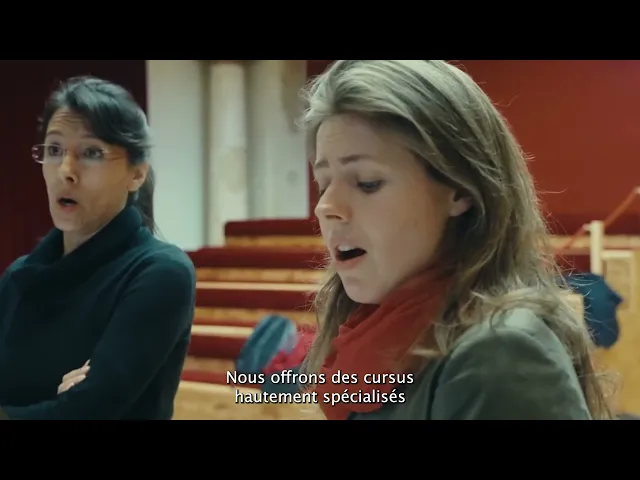
The Department Through Videos
Studies
- Bachelor of Arts1
- Master of Arts3
Teachers of major disciplines

Teachers of minor disciplines
- Annabelle
Blanc
Danse ancienne - Patricia
Esteban
Notation , Ornementation - André
Extermann
Accord et tempérament - Céline
Gay-des-Combes
Didactique instrumentale ou vocale, Didactique instrumentale (harpe) - Anne
Millischer
Instrument historique complémentaire BA, Instrument historique pour MA orientation orchestre - Giuliano
Sommerhalder
Trompette naturelle
Accompanists
Research projects

Events

Testimonials
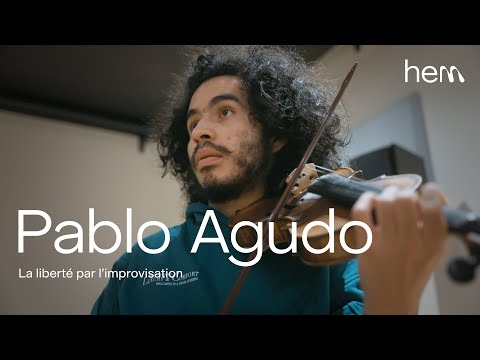
La HEM est réputée jusqu'en Amérique latine pour l'expertise de son département de musique ancienne, tant au niveau instrumental que théorique.
Etudiant en 2e année du Bachelor of Arts en Musique / instruments historiques (Violon baroque)
